The art of surrender
At The Essence, our conscious community, we often notice a revealing pattern when someone new arrives. This pattern reflects how we meet the unknown — and gently points us toward a more honest relationship with ourselves.
When we enter a new environment — a retreat center, a conscious community, or any unfamiliar situation — we face the challenge of adjustment. Suddenly, we must adapt to different foods, schedules, people, spaces, and routines. We surrender control over many aspects of daily life that we usually manage according to our own preferences. This period of adjustment isn't just inconvenient — it's a profound practice for self-discovery.
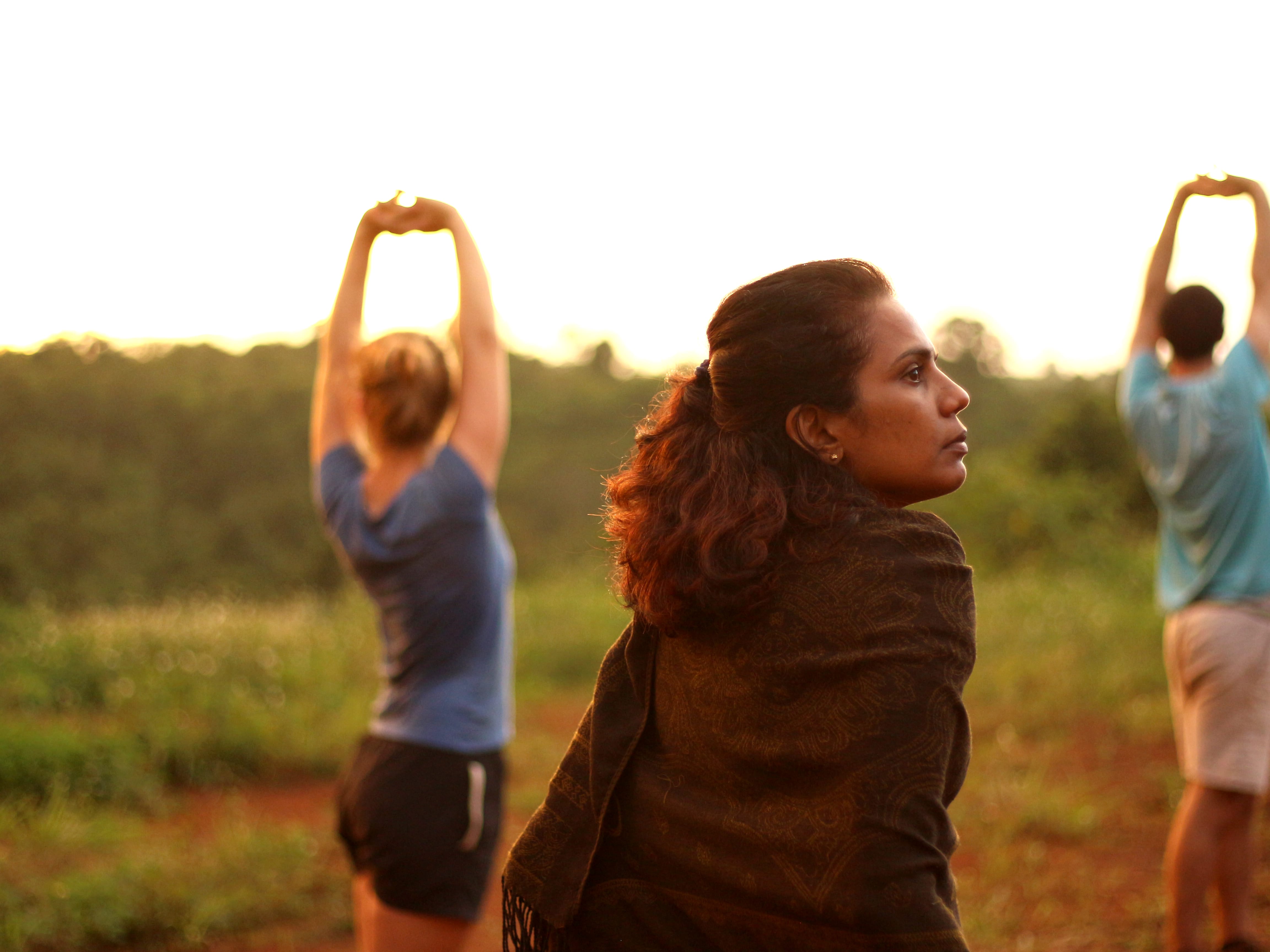
The degree to which we struggle with these adjustments directly reflects our attachments. The more firmly we believe our way is the "right way" — whether in nutrition, exercise, sleep, or social interaction — the more difficult the transition becomes. Our concepts about how life should be create resistance to life as it actually is.
During the initial phase, most people try to make a good impression. They hide their preferences, their irritations, their disappointments. But slow living reveals what quick interactions conceal. With time, the facade begins to crack. The emotion that arises when preferences aren't met becomes harder to contain.
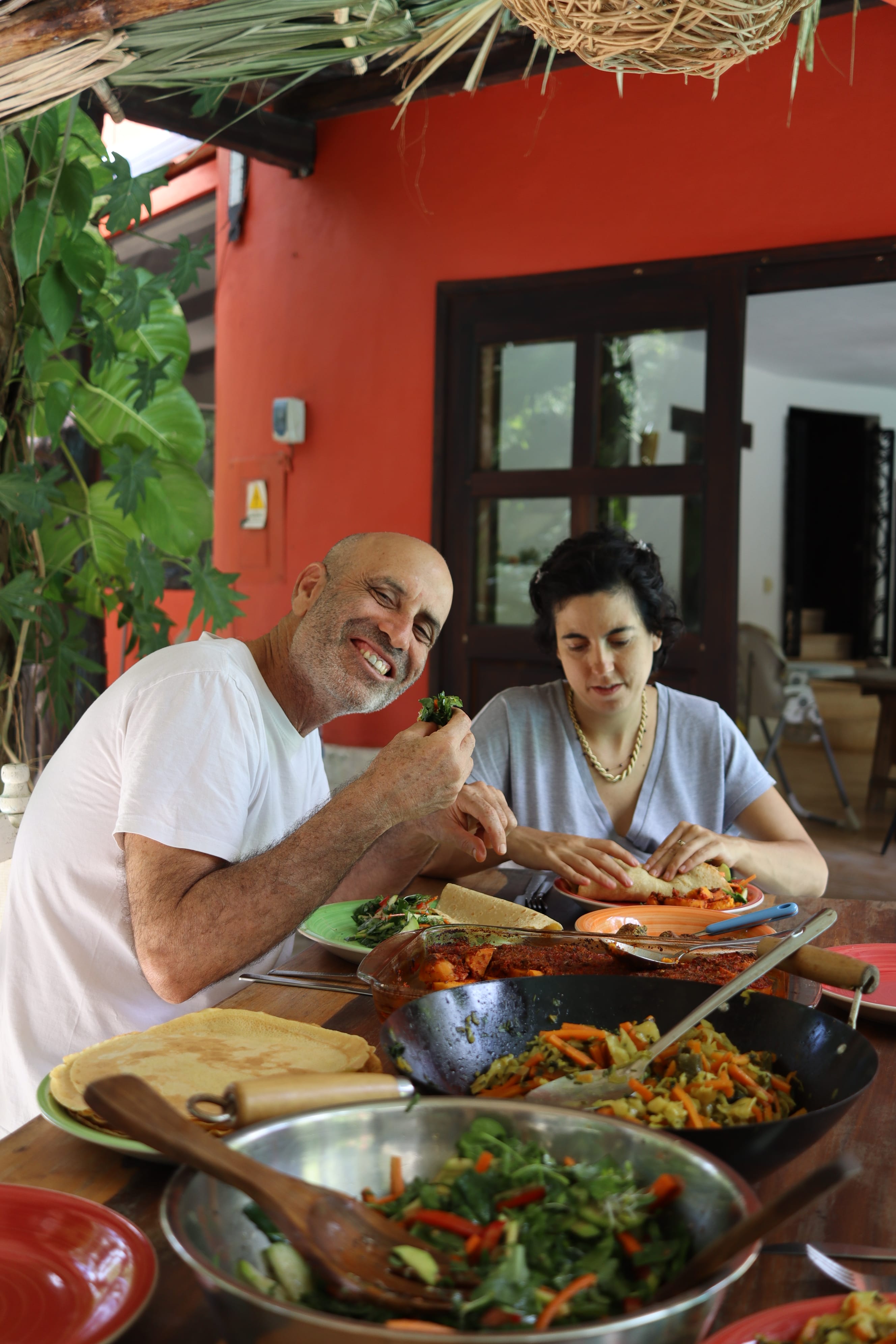
Signs of this struggle emerge in subtle ways: sarcastic comments, jokes that carry judgment, small complaints disguised as observations. There's often a lack of responsibility — blame placed outward rather than examining one's own reaction. A person might justify their behavior, make excuses, or pretend to be more at ease than they truly are.
What's most revealing is the gap between what people claim about themselves ("I'm adaptable," "I'm easy-going," "I'm content with my life") and how they actually behave when their preferences aren't met. That gap, if you're willing to look at it directly, is where self-knowledge lives.
The ego's resistance to simple living often shows up as a kind of knowing: "This doesn't apply to me," "I'm beyond this," "I already understand this." This stance creates separation instead of openness. The mind wants to maintain the illusion of control.
Real self-realization begins with acknowledging that we don't control much at all. Things tend to work out whether we micromanage them or not. Life flows, regardless of our preferences. In a communal setting this becomes even more apparent — we simply cannot shape everything to our liking.
The path of self-awareness invites us to question:
- When I want something to be different, is this truly for the benefit of all — or just to satisfy my personal comfort?
- Can I ask how things are without defensiveness if the answer doesn't go my way?
- Do I need the answer I'm seeking — or am I using the question to justify resistance?
Personal growth happens in the gap between what we want and what we get. The practice is developing the capacity to be with what is — even when it doesn't match the picture in your head.
Conscious living has less to do with controlling your environment and more to do with loosening your grip on how things should be. When you stop needing circumstances to cooperate, you find you can be present in almost any of them.
The practice isn't to stop having preferences — it's to see them clearly and not be fixated on them. To find the path of least resistance. To meet life as it is.
Feeling the call? Join our conscious community program
If this resonates, we invite you to explore life at The Essence. Our Conscious Community Program is a chance to step into a simpler, more grounded way of living — supported by daily practices, shared presence, and a rhythm that makes inner clarity possible.

Come as you are. Stay long enough to see what emerges when life slows down — and self-awareness has space to grow.